
Linker Information
General Information of This Linker (ID: LIN0FTRKS)
| Name |
A cleavable disulfide linker
|
|||||
|---|---|---|---|---|---|---|
| Linker Type |
Unclear
|
|||||
| Antibody-Linker Relation |
Cleavable
|
|||||
| Structure |
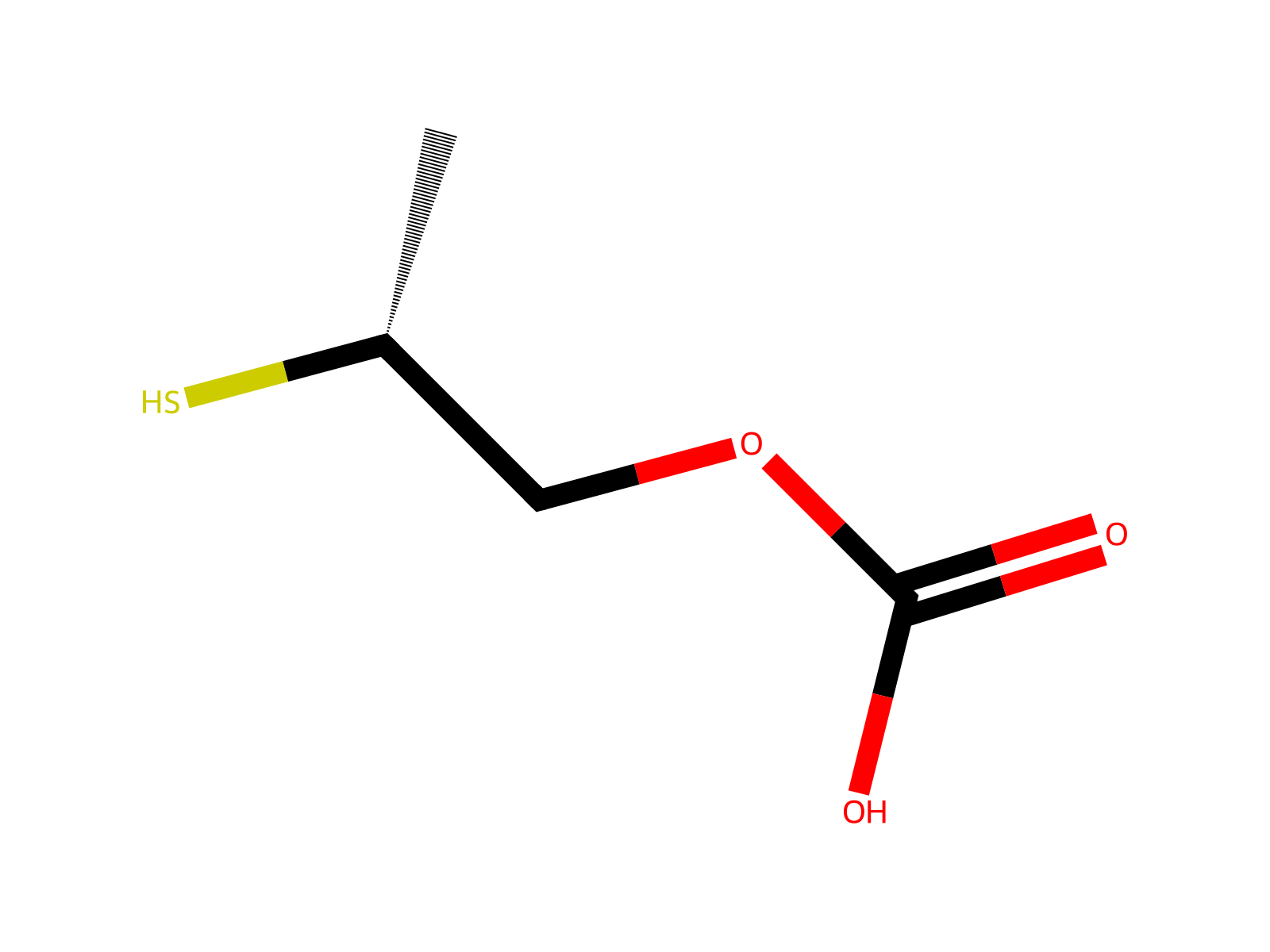
|
|||||
|
|
||||||
Each Antibody-drug Conjugate Related to This Linker
Full Information of The Activity Data of The ADC(s) Related to This Linker
RG6148 [Phase 1 (discontinued)]
Identified from the Human Clinical Data
| Experiment 1 Reporting the Activity Date of This ADC | [1] | ||||
| Patients Enrolled |
Eligible participants must have ECOG 0-1, measurable HER2+ breast cancer refractory to prior therapies, and adequate organ function. Key exclusions include recent anticancer treatments (within 4 weeks), anthracycline exposure, active infections, CNS metastases, cardiac dysfunction (LVEF <50%), QTcF >470 ms, pregnancy, or uncontrolled comorbidities. The dose-expansion cohort limits prior chemotherapy regimens to two in the metastatic setting.
Click to Show/Hide
|
||||
| Administration Dosage |
DHES0815A will be administered via intravenous (IV) infusion on Day 1 of each 21-day cycle.
|
||||
| Related Clinical Trial | |||||
| NCT Number | NCT03451162 | Clinical Status | PHASE1 | ||
| Clinical Description |
A Phase I, Open-Label Study Evaluating the Safety, Tolerability, and Pharmacokinetics of Escalating Doses of DHES0815A in Patients With HER2-Positive Breast Cancer
|
||||
| Primary Endpoint |
The study evaluates safety outcomes including adverse events (AEs) and serious AEs (SAEs) graded per NCI CTCAE v4.0 from Day 1 to study end (up to 39 months), with severity ranging from Grade 1 (mild) to Grade 5 (fatal). Dose-limiting toxicities (DLTs) are assessed during the first 21 days, including cardiac, hematologic, and hepatic events. Treatment duration and cumulative dose are tracked, along with left ventricular ejection fraction (LVEF) changes via ECHO/MUGA scans at specified intervals.
Click to Show/Hide
|
||||
| Other Endpoint |
Pharmacokinetic analysis measures DHES0815A total antibody, conjugated PDB-MA, and unconjugated PDB-MA concentrations at multiple timepoints from Cycle 1 to study end (up to 39 months). Efficacy endpoints include objective response (CR/PR per RECIST v1.1), duration of response (DoR), and anti-drug antibody (ADA) incidence, with ADA-positive participants classified as treatment-induced or treatment-enhanced.
Click to Show/Hide
|
||||
References