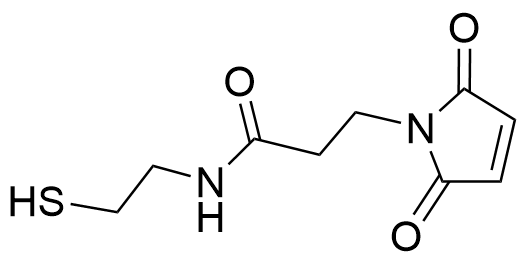
General Information of This Linker
Linker ID
LIN0NDOEN
Linker Name
A cleavable linker
Linker Type
Unclear
Antibody-Linker Relation
Cleavable
Each Antibody-drug Conjugate Related to This Linker
Full Information of The Activity Data of The ADC(s) Related to This Linker
Elatatug vedotin [Phase 1 (discontinued)]
Identified from the Human Clinical Data
Click To Hide/Show 2 Activity Data Related to This Level
Experiment 1 Reporting the Activity Date of This ADC [1]
Related Clinical Trial
NCT Number NCT05156866  Clinical Status Phase 1
Clinical Description
A phase 1, first in human, dose-escalation study of TORL-2-307-ADC in participants with advanced cancer.
Experiment 2 Reporting the Activity Date of This ADC [2]
Patients Enrolled
Eligible patients had advanced solid tumors (RECIST v1.1 measurable), ECOG 0-1, and adequate organ function. Exclusions included: unresolved toxicities (>Grade 1); recent anticancer therapy (14 days small molecule/28 days biologic); active brain metastases; uncontrolled comorbidities; cardiac disease; MDS/AML history; secondary malignancies (except curatively treated skin/DClS/low-risk prostate cancer); pregnancy/breastfeeding.

   Click to Show/Hide
Related Clinical Trial
NCT Number NCT05156866  Clinical Status PHASE1
Clinical Description
A Phase 1, First in Human, Dose-Escalation Study of TORL-2-307-ADC in Participants With Advanced Cancer
Primary Endpoint
Safety assessments included AE/SAE incidence (NCI-CTCAE v5.0 graded) over 2 years, with MTD determined as the highest dose causing <33% DLTs among 6 evaluable participants in cycle 1 (28 days). RP2D derived from MTD, safety, and PK data.
Other Endpoint
Efficacy measures (ORR/DOR/PFS/TTR) followed RECIST 1.1 over 2 years, with 1-/2-year OS rates tracked. PK profiles (Cmax/Cmin/Tmax/t1/2/AUC/Vz/CL/Rac) for TORL-2-307-ADC were analyzed at steady state (63 days) and single-dose (21 days). ADA positivity was monitored.
FOR46 [Phase 2]
Identified from the Human Clinical Data
Click To Hide/Show 7 Activity Data Related to This Level
Experiment 1 Reporting the Activity Date of This ADC [3]
Efficacy Data Partial Response (PR)
22.20%
Patients Enrolled
Metastatic castration-resistant prostate cancer (CRPC).
Administration Dosage
Intravenous FOR46 on day 1 of every 21-day cycle. Dose levels ranged from 0.10 mg/kg. the starting dose level, to 3.00 mg/kg. The trial established 2.70 mg/kg to be the maximum tolerated dose (MTD) and the recommended phase 2 dose (RP2D) of the agent.
Related Clinical Trial
NCT Number NCT03575819  Clinical Status Phase 1
Clinical Description
A phase 1 study of FOR46 administered every 21 days in patients with metastatic castration-resistant prostate cancer (mCRPC).
Primary Endpoint
MtD and phase 1b dose=2.70 mg/kg.
Other Endpoint
18 pts had measurable lesions; 8 of 18 (44.44%) had tumor regression, with 4 (22.22%) confirmed partial responses (PR). The median duration of response is > 14 wks (range 9 -31+ weeks).
Experiment 2 Reporting the Activity Date of This ADC [4]
Related Clinical Trial
NCT Number NCT05011188  Clinical Status Phase 1/2
Clinical Description
A phase 1b/2 study of FOR46 in combination with enzalutamide in patients with metastatic castration resistant prostate cancer.
Experiment 3 Reporting the Activity Date of This ADC [5]
Related Clinical Trial
NCT Number NCT03650491  Clinical Status Phase 1
Clinical Description
A phase 1 study of FOR46 administered every 21 days in patients with relapsed or refractory multiple myeloma (RRMM).
Experiment 4 Reporting the Activity Date of This ADC [6]
Efficacy Data Objective Response Rate (ORR)
20%
Patients Enrolled
Inclusion: Men &ge;18 with histologically confirmed mCRPC (progressing post-ARSI therapy), castrate testosterone (<50 ng/dL), ECOG 0-1, adequate organ function, and willingness for biopsy (dose expansion). Exclusion: Persistent toxicity (Grade&ge;2 neuropathy), prior mCRPC chemotherapy (hormone-sensitive >6 months prior allowed), recent therapy/surgery (&le;28 days), uncontrolled comorbidities (cardio/pulmonary/CNS metastases), active HIV/HepB/C, or CYP3A4 modulators. Dose escalation excludes episodic atrial fibrillation history.

   Click to Show/Hide
Administration Dosage
FOR46 is an intravenously (IV) administered antibody-drug conjugate (ADC) directed against CD46
Related Clinical Trial
NCT Number NCT03575819  Clinical Status PHASE1
Clinical Description
A Phase 1 Study of FOR46 Administered Every 21 Days in Patients With Metastatic Castration-Resistant Prostate Cancer (mCRPC)
Primary Endpoint
Safety assessments include toxicity evaluation (type, incidence, severity, relatedness) and dose-limiting toxicities (DLTs) through 1-month post-treatment, along with disease response (≥50% PSA decline and objective response per RECIST criteria) assessed over 12 months.
Other Endpoint
Pharmacokinetics focus on FOR46 plasma concentration (Cmax, AUC, half-life), antidrug antibody levels, and median radiographic progression-free survival (rPFS) at 12 months per PCWG3 criteria, monitored for 1 month post-dosing.
Experiment 5 Reporting the Activity Date of This ADC [10]
Patients Enrolled
Inclusion: RRMM patients (&ge;18 years) refractory/intolerant to PI, IMiD, and CD38 therapy; ECOG 0-1; adequate organ function; contraception compliance. Exclusion: Persistent toxicity (Grade&ge;2 neuropathy), recent therapy/transplant/surgery (12-28 days), uncontrolled comorbidities (cardio/pulmonary/infectious), CYP3A4 modulators, warfarin use, atrial fibrillation history, or prior MMAE/MMAF ADC exposure. Breastfeeding excluded.

   Click to Show/Hide
Administration Dosage
FOR46 is an intravenously (IV) administered antibody-drug conjugate (ADC) directed against CD46
Related Clinical Trial
NCT Number NCT03650491  Clinical Status PHASE1
Clinical Description
A Phase I Study of FOR46 Administered Every 21 Days in Patients With Relapsed or Refractory Multiple Myeloma (RRMM)
Primary Endpoint
Safety evaluation includes monitoring treatment-related adverse events by NCI CTCAE v5.0 and dose-limiting toxicities through 1-month post-treatment. Efficacy is measured by overall response rate (≥PR/CR/stringent CR/MRD negativity) at 6 months.
Other Endpoint
Pharmacokinetic analysis assesses FOR46 plasma concentration (Cmax, AUC, elimination half-life), antidrug antibody levels up to 1 month post-treatment, and treatment response (duration, progression-free survival, time to progression) via IMWG criteria over 6 months.
Experiment 6 Reporting the Activity Date of This ADC [11]
Patients Enrolled
Inclusion: Histologically confirmed prostate adenocarcinoma (excluding small cell/neuroendocrine) with mCRPC progression post-ARSI (abiraterone/enzalutamide/apalutamide/darolutamide); castrate testosterone (<50 ng/dL); &ge;1 measurable metastasis; adequate organ function. Biopsy (fresh/archival &le;1 year) required for CD46 IHC. Exclusion: Prior CD46-targeted therapy, non-adenocarcinoma histology, >1 prior ARSI, recent anticancer therapy/radiation (&le;28 days), actionable mutations (unless treated/progressed), prior chemotherapy (except 1 taxane in castration-sensitive setting >12 months prior), hypersensitivity to FG-3246/antibodies, malignancy (&le;5 years, excluding treated skin cancers), or strong CYP3A4 modulators.

   Click to Show/Hide
Administration Dosage
FG-3246 will be administered per schedule specified in the arm description.
Related Clinical Trial
NCT Number NCT06842498  Clinical Status PHASE2
Clinical Description
A Phase 2 Dose Optimization Trial Evaluating a CD46-Targeted Antibody-Drug Conjugate (FG-3246) in Patients With Metastatic Castration-Resistant Prostate Cancer
Primary Endpoint
The study evaluates radiographic progression-free survival (rPFS) per RECIST v1.1 and PCWG3 criteria until progression (up to ~31 months), along with treatment-emergent adverse events (TEAEs) and pharmacokinetic parameters (Cmax of FG-3246, CD46 antibody, and free MMAE) across 21-day cycles. Safety monitoring continues until 28 days after the last dose.

   Click to Show/Hide
Other Endpoint
Efficacy assessments include 6- and 12-month rPFS rates, confirmed ORR, duration of response (DoR), PSA50/90 response rates, composite response (CRR), PSA-PFS, disease control (DCR), clinical benefit (CBR), time to symptomatic skeletal events (SSRE), and overall survival (OS) up to ~31 months. Immunogenicity (ADA/NAb development) is also tracked throughout treatment and post-dosing.

   Click to Show/Hide
Experiment 7 Reporting the Activity Date of This ADC [12]
Patients Enrolled
Inclusion: Men &ge;18 with mCRPC (progressed post-ARSIs, no prior mCRPC taxane, PSA&ge;2 ng/mL or measurable disease), castrate testosterone (<50 ng/dL), ECOG&le;1, adequate organ function, and biopsy/PET imaging (expansion phase). Exclusion: Prior CD46 therapy, recent radiation/systemic therapy (<14 days), small-cell histology, uncontrolled cardiac/pulmonary/CNS conditions, CYP3A4 inhibitors, or active infections.

   Click to Show/Hide
Administration Dosage
A 3+3 dose escalation design was utilized with a starting dose of FOR46 of 1.8 mg/kg adjusted body weight (ABW) in combination with enza 160 mg/day. Dose escalation was explored with and without prophylactic granulocyte colony-stimulating factor (G-CSF) support.
Related Clinical Trial
NCT Number NCT05011188  Clinical Status PHASE1|||PHASE2
Clinical Description
A Phase 1b/2 Study of FOR46 in Combination With Enzalutamide in Patients With Metastatic Castration Resistant Prostate Cancer
Primary Endpoint
The Phase 1b trial evaluates the maximum tolerated dose (MTD) of FOR46 over 3 weeks by dose-escalation with cohorts of 3+3/6 patients-dose-limiting toxicities (DLTs, per CTCAE v5.0) determine escalation (stopped if ≥2/3-6 patients experience DLTs). Phase 2 assesses composite response rate (CRR; ≥50% PSA decline + RECIST 1.1 response) over 2 years with 95% CIs.

   Click to Show/Hide
Other Endpoint
Efficacy endpoints include PSA50 (≥50% PSA decline), ORR (RECIST 1.1), duration of response, time to PSA progression, rPFS (PCWG3), and median overall survival (Kaplan-Meier, 2-year follow-up). Safety tracks AE frequency/severity (CTCAE v5.0).
JSKN-016 [Phase 3]
Identified from the Human Clinical Data
Click To Hide/Show 3 Activity Data Related to This Level
Experiment 1 Reporting the Activity Date of This ADC [7]
Patients Enrolled
Key inclusion criteria: signed consent; age &ge;18; ECOG 0-1; life expectancy &ge;3 months; histologically confirmed advanced NSCLC (EGFRmut/negative) refractory to standard therapies; &ge;1 measurable lesion (RECIST 1.1); available tumor tissue; adequate organ function; contraception agreement.
Related Clinical Trial
NCT Number NCT06775483  Clinical Status PHASE2
Clinical Description
Evaluation of JSKN016 in the Treatment of Advanced Non-small Cell Lung Cance: a Phase II Clinical Study
Primary Endpoint
Primary endpoints include investigator-assessed ORR (CR+PR per RECIST v1.1) and AE incidence for safety evaluation, both measured over 24 months.
Other Endpoint
Secondary endpoints comprise DOR, DCR, TTR, PFS (per RECIST v1.1), OS, PK parameters (Cmax, AUC, Tmax of JSKN016), and ADA incidence, all evaluated within 24 months.
Experiment 2 Reporting the Activity Date of This ADC [8]
Patients Enrolled
Key inclusion criteria: signed consent; age 18-75; ECOG 0-1; life expectancy &ge;3 months; histologically confirmed advanced NSCLC ineligible for curative treatment; &ge;1 measurable lesion (RECIST 1.1); available tumor tissue; adequate organ function; contraception agreement.
Related Clinical Trial
NCT Number NCT06868732  Clinical Status PHASE1
Clinical Description
Evaluation of JSKN016 Combination Therapy in Subjects with Advanced Non-Small Cell Lung Cancer: a Phase Ib Study
Primary Endpoint
Primary endpoints include investigator-assessed ORR (CR+PR per RECIST v1.1) and AE incidence for safety evaluation, both measured over 24 months.
Other Endpoint
Secondary endpoints comprise efficacy measures (DOR, DCR, TTR, PFS, OS per RECIST v1.1), PK parameters (Cmax, Cmin of ADC components), and ADA assessment, all evaluated within 24 months.
Experiment 3 Reporting the Activity Date of This ADC [9]
Patients Enrolled
Key inclusion criteria: signed consent; age &ge;18; advanced/metastatic epithelial malignancies (AGA+ NSCLC/HER2 IHC0 BC) refractory to standard therapy; &ge;1 measurable lesion (RECIST 1.1); ECOG 0-1; life expectancy &ge;3 months; adequate organ function; LVEF &ge;50%; contraception compliance; biomarker requirements (e.g., EGFR/ALK mutations for NSCLC).

   Click to Show/Hide
Related Clinical Trial
NCT Number NCT06592417  Clinical Status PHASE1
Clinical Description
To Evaluate the Phase I Clinical Study of JSKN016 in Chinese Patients With Advanced Malignant Solid Tumors
Primary Endpoint
Primary endpoints include DLT incidence (21-day post-first dose), safety profile (TEAE/TRAE/SAE incidence up to 30 days post-last dose), lab abnormalities, MTD/RP2D determination, and ORR assessment (RECIST v1.1) within 1 year post-last dose.
Other Endpoint
Secondary endpoints comprise CBR (CR+PR+SD≥6 months), PK parameters (Cmax, Tmax, AUC, t1/2), and DOR evaluation, all measured within 1 year post-last dose or 90 days post-treatment.
ILB-3101 [Phase 1/2]
Identified from the Human Clinical Data
Click To Hide/Show 1 Activity Data Related to This Level
Experiment 1 Reporting the Activity Date of This ADC [13]
Patients Enrolled
Key inclusion: aged 18-80; ECOG 0-1; life expectancy >12 weeks; histologically confirmed advanced/metastatic solid tumors refractory to standard therapy; measurable lesion (s); adequate organ function; negative pregnancy test; effective contraception.
Administration Dosage
There are eight escalating dose cohorts. Intravenous (IV) administration of ILB-3101 Q3W; Participants will continue treatment until the end of the study in the absence of unacceptable toxicities and confirmed disease progression.
Related Clinical Trial
NCT Number NCT06426680  Clinical Status PHASE1
Clinical Description
Phase I/II Study of the ILB-3101 in Patients with Advanced Solid Tumors
Primary Endpoint
Primary endpoints include DLT assessment (Day 21), MTD determination (Day 21) for ILB-3101 in advanced solid tumors.
Other Endpoint
Secondary endpoints comprise ORR (RECIST 1.1, 24 months), AE incidence (CTCAE v5.0, 90 days post-treatment), ADA development (90 days post-treatment), PK parameters (Cmax/Tmax/T1/2/AUC0-t, Cycle 1), and efficacy measures (DOR/DCR/PFS per RECIST 1.1, 24 months).
9MW2921 [Phase 1/2 (discontinued)]
Identified from the Human Clinical Data
Click To Hide/Show 1 Activity Data Related to This Level
Experiment 1 Reporting the Activity Date of This ADC [14]
Patients Enrolled
Key inclusion criteria: Age 18-75; ECOG 0-1; histologically confirmed advanced/metastatic malignancies refractory to standard therapy; &ge;1 measurable lesion; adequate organ function; provision of tumor samples (&ge;5 slides); negative pregnancy test; commitment to contraception (6 months post-treatment); protocol compliance capability. Survival expectancy &ge;3 months.

   Click to Show/Hide
Administration Dosage
All subjects will receive 9MW2921 by intravenous (IV) every 3 weeks.
Related Clinical Trial
NCT Number NCT05990452  Clinical Status PHASE1|||PHASE2
Clinical Description
A Phase I/II First-in-human Study of 9MW2921 to Evaluate the Safety, Tolerability and Preliminary Efficacy of 9MW2921 in Patients With Advanced Solid Tumors
Primary Endpoint
Primary endpoints include DLT assessment (21 days post-first dose), AE/SAE incidence (up to 2 years), and ORR (CR+PR rate per RECIST 1.1, monitored for 2 years or until treatment discontinuation).
Other Endpoint
Secondary endpoints comprise PK parameters (Cmax/AUC/t½ over 1 year), ADA development (2 years), and efficacy measures (PFS/DoR/DCR per RECIST 1.1, tracked for 2 years or until progression/death).
PRO1107 [Phase 1/2 (discontinued)]
Identified from the Human Clinical Data
Click To Hide/Show 1 Activity Data Related to This Level
Experiment 1 Reporting the Activity Date of This ADC [15]
Patients Enrolled
Eligible patients had advanced/metastatic PTK7-positive solid tumors (e.g., ovarian, NSCLC, TNBC) with measurable disease, ECOG 0-1, and no prior anti-PTK7 therapy or uncontrolled comorbidities; exclusions included recent ADC progression, active CNS metastases, or infections.
Administration Dosage
PRO1107 monotherapy in escalating doses in Part A and at the two recommended phase 2 doses in Part B
Related Clinical Trial
NCT Number NCT06171789  Clinical Status PHASE1|||PHASE2
Clinical Description
A Phase 1/2 Study of PRO1107 in Patients With Advanced Solid Tumors
Primary Endpoint
The study assessed adverse events, lab abnormalities, and dose-limiting toxicities over 1 year, including type, incidence, severity, and relatedness.
Other Endpoint
Key efficacy outcomes included ORR, DCR, PFS, and duration of response per RECIST v1.1, alongside pharmacokinetic parameters (AUC, Cmax, Tmax, t1/2, Ctrough) for PRO1107 over 1 year.
MHB088C [Phase 3]
Identified from the Human Clinical Data
Click To Hide/Show 1 Activity Data Related to This Level
Experiment 1 Reporting the Activity Date of This ADC [16]
Patients Enrolled
Eligible participants (&ge;18 years, ECOG 0-1) must have advanced/metastatic solid tumors (NSCLC, SCLC, ESCC, CRPC, MEL, CRC, PDAC, HNSCC, HCC, OC, EC, TC, or SARC) refractory to standard therapies, measurable lesions per RECIST v1.1 (or PCWG3 for CRPC), and adequate organ function. Exclusions: active infections (HBV/HCV/HIV, COVID-19), uncontrolled cardiovascular/neurological conditions, recent major surgery/immunosuppressants, brain metastases (unless stable &ge;1 month), prior MHB088C-targeted therapy, pregnancy/breastfeeding, or investigator-assessed ineligibility. Contraception is mandated during and for 90 days post-treatment.

   Click to Show/Hide
Administration Dosage
MHB088C will be administered intravenously at a frequency of once every 2 weeks (Q2W).
Related Clinical Trial
NCT Number NCT05652855  Clinical Status PHASE1|||PHASE2
Clinical Description
Phase 1/2, Two-Part, Multi-center, Open-label, Dose Escalation and Dose Expansion First-In-Human Study to Evaluate the Safety/Tolerability, Pharmacokinetics and Efficacy of MHB088C in Participants With Advanced or Metastatic Solid Tumors
Primary Endpoint
This clinical trial assesses safety by monitoring adverse events (AEs) per NCI-CTCAE v5.0 and dose-limiting toxicities (DLTs) over one year to establish the maximum tolerated dose (MTD) and recommend a Phase 2 dose (RP2D) of MHB088C. Efficacy is measured via objective response rate (ORR) based on RECIST v1.1 criteria for complete (CR) or partial response (PR).

   Click to Show/Hide
Other Endpoint
Pharmacokinetic parameters-such as Cmax, Tmax, AUC, Ctrough, t1/2, and systemic clearance (CL)-are evaluated for MHB088C, total antibody, and free toxin MH30010008 over five 28-day cycles. Immunogenicity is assessed via anti-drug antibody (ADA) testing, while efficacy outcomes include duration of response (DOR), disease control rate (DCR), progression-free survival (PFS), and RECIST v1.1-defined tumor progression over one year.

   Click to Show/Hide
BAT8009 [Phase 1 (discontinued)]
Identified from the Human Clinical Data
Click To Hide/Show 2 Activity Data Related to This Level
Experiment 1 Reporting the Activity Date of This ADC [17]
Related Clinical Trial
NCT Number NCT05405621  Clinical Status Phase 1
Clinical Description
A phase 1, multi-center, open-label study to assess safety, tolerability, pharmacokinetics, and preliminary efficacy of BAT8009 in patients with advanced solid tumours.
Experiment 2 Reporting the Activity Date of This ADC [26]
Patients Enrolled
Eligible participants must be 18-75 years old with advanced/metastatic solid tumors refractory to standard therapy, adequate organ function, and measurable disease per RECIST v1.1, while exclusions involve pregnancy, active CNS metastases, recent major surgery, severe infections, HIV/hepatitis B/C, or prior Grade 3-4 antibody therapy reactions, ensuring patient safety and protocol adherence.

   Click to Show/Hide
Administration Dosage
BAT8009 will be administered as a 90-minute (± 5min) IV infusion on Day 1 of Cycle 1. If there is no infusion related reaction after initial dose, the next dose of BAT8009 will be infused intravenously into each patient for approximately 30~120 minutes.
Related Clinical Trial
NCT Number NCT05405621  Clinical Status PHASE1
Clinical Description
A Phase 1, Multi-Center, Open-Label Study to Assess Safety, Tolerability, Pharmacokinetics, and Preliminary Efficacy of BAT8009 in Patients With Advanced Solid Tumours
Primary Endpoint
The primary endpoint assesses dose-limiting toxicity (DLT) occurring within 21 days post-initial BAT8009 administration, defining toxicity parameters during the observation period to evaluate safety tolerability.
Other Endpoint
Secondary endpoints include pharmacokinetic measures like Cmax (maximum serum concentration) and AUC0-inf/AUC0-λ over 126 days, alongside immunogenicity monitoring for anti-drug antibodies (ADAs) and neutralizing antibodies (NAbs) to characterize drug exposure and immune response profiles.
BAT8006 [Phase 3]
Identified from the Human Clinical Data
Click To Hide/Show 4 Activity Data Related to This Level
Experiment 1 Reporting the Activity Date of This ADC [18]
Related Clinical Trial
NCT Number NCT05378737  Clinical Status Phase 1
Clinical Description
A multicenter, open phase 1 clinical study to evaluate the safety, tolerability, and pharmacokinetic characteristics of BAT8006 for injection in patients with advanced solid tumors.
Experiment 2 Reporting the Activity Date of This ADC [20]
Efficacy Data Objective Response Rate (ORR)
41.70%
Patients Enrolled
Eligible participants aged 18-75 with advanced solid tumors (platinum-resistant ovarian cancer, NSCLC, etc.) must have measurable lesions (RECIST 1.1), ECOG 0-1, adequate organ function, and FRalpha-positive tumors (for expansion cohorts). Exclusions include recent systemic therapy, unresolved toxicities, active infections (HIV/HBV/HCV), uncontrolled cardiovascular disease, severe bleeding/thrombosis history, CNS metastases requiring treatment, pregnancy, or conditions compromising compliance.

   Click to Show/Hide
Administration Dosage
Intravenous infusion, once every 3 weeks (Q3W), the recommended infusion time of the first cycle is ≥90 minutes, if no infusion reaction occurs, the subsequent cycle can be completed within 30~120 minutes.
Related Clinical Trial
NCT Number NCT05378737  Clinical Status PHASE1
Clinical Description
A Multicenter, Open Phase I Clinical Study to Evaluate the Safety, Tolerability, and Pharmacokinetic Characteristics of BAT8006 for Injection in Patients With Advanced Solid Tumors
Primary Endpoint
The study evaluates dose-limiting toxicity (DLT) and maximum tolerated dose (MTD) of the investigational drug, with DLT defined as grade ≥3 toxicities within 21 days of first administration, and MTD identified as the highest dose level where ≤1/6 subjects experience DLT.
Other Endpoint
Pharmacokinetic (PK) analysis focuses on Cmax during the first six 21-day treatment cycles, assessing drug exposure and concentration-time profiles.
Experiment 3 Reporting the Activity Date of This ADC [20]
Efficacy Data Disease control rate (DCR)
86.10%
Patients Enrolled
Eligible participants aged 18-75 with advanced solid tumors (platinum-resistant ovarian cancer, NSCLC, etc.) must have measurable lesions (RECIST 1.1), ECOG 0-1, adequate organ function, and FRalpha-positive tumors (for expansion cohorts). Exclusions include recent systemic therapy, unresolved toxicities, active infections (HIV/HBV/HCV), uncontrolled cardiovascular disease, severe bleeding/thrombosis history, CNS metastases requiring treatment, pregnancy, or conditions compromising compliance.

   Click to Show/Hide
Administration Dosage
Intravenous infusion, once every 3 weeks (Q3W), the recommended infusion time of the first cycle is ≥90 minutes, if no infusion reaction occurs, the subsequent cycle can be completed within 30~120 minutes.
Related Clinical Trial
NCT Number NCT05378737  Clinical Status PHASE1
Clinical Description
A Multicenter, Open Phase I Clinical Study to Evaluate the Safety, Tolerability, and Pharmacokinetic Characteristics of BAT8006 for Injection in Patients With Advanced Solid Tumors
Primary Endpoint
The study evaluates dose-limiting toxicity (DLT) and maximum tolerated dose (MTD) of the investigational drug, with DLT defined as grade ≥3 toxicities within 21 days of first administration, and MTD identified as the highest dose level where ≤1/6 subjects experience DLT.
Other Endpoint
Pharmacokinetic (PK) analysis focuses on Cmax during the first six 21-day treatment cycles, assessing drug exposure and concentration-time profiles.
Experiment 4 Reporting the Activity Date of This ADC [27]
Patients Enrolled
Eligible participants must be &ge;18 years old with platinum-resistant ovarian, peritoneal, or fallopian tube cancer, measurable lesions per RECIST v1.1, and adequate organ function. Exclusions include pregnancy, recent surgery or transplants, active infections, HIV/hepatitis B/C, prior malignancies, allergies to BAT8006, live vaccines within 4 weeks, or conditions undermining compliance.

   Click to Show/Hide
Administration Dosage
Intravenous infusion: once every three weeks.The infusion time in the first cycle is recommended to be ≥ 90 minutes. If no infusion reaction occurs, the subsequent cycle can be completed within 30~60 minutes.
Related Clinical Trial
NCT Number NCT06545617  Clinical Status PHASE1|||PHASE2
Clinical Description
A Phase 1b/2, Multicenter, Open-Label Study of BAT8006, an Anti- FRalpha Antibody Drug Conjugate (ADC) for Platinum-resistant Ovarian Cancer Subjects
Primary Endpoint
This study aims to determine the maximum tolerated dose (MTD) and recommended Phase 2 dose (RP2D) of BAT8006, assessing dose-limiting toxicities (DLTs) and overall tolerability. Safety evaluations include monitoring adverse events (AEs), physical examinations, ECOG score changes, vital signs, laboratory results, ECG, Echo/MUGA, and ophthalmologic findings, tracked from informed consent through 30 days post-treatment, up to 27 months.

   Click to Show/Hide
Other Endpoint
Immunogenicity of BAT8006 will be evaluated by measuring ADA/NAb levels, while efficacy endpoints include objective response rate (ORR), duration of response (DOR), best percentage change in tumor size, and progression-free survival (PFS). Pharmacokinetics (PK) parameters such as Cmax, Tmax, AUC, and terminal half-life (t½) will be analyzed across multiple cycles.

   Click to Show/Hide
DS-9606a [Phase 1 (discontinued)]
Identified from the Human Clinical Data
Click To Hide/Show 2 Activity Data Related to This Level
Experiment 1 Reporting the Activity Date of This ADC [19]
Related Clinical Trial
NCT Number NCT05394675  Clinical Status Phase 1
Clinical Description
A phase 1, first-in-human study of DS-9606a in patients with tumor types known to express claudin-6 (CLDN6).
Experiment 2 Reporting the Activity Date of This ADC [30]
Patients Enrolled
Eligible participants must be &ge;18 years old with ECOG 0-1, adequate organ function, and tumor tissue availability (mandatory in some cohorts). Key exclusions include active CNS metastases (unless stable post-treatment), other malignancies within 2 years (exceptions apply), significant cardiac conditions (e.g., recent MI, symptomatic CHF), QTcF >470 ms, history of interstitial lung disease, or uncontrolled infections. Contraception requirements apply throughout and post-treatment (&ge;6 months for males, &ge;7 months for females). Dose escalation requires progressing advanced cancers (e.g., ovarian, NSCLC, gastric), while expansion focuses on ovarian cancer with mandated biopsies when feasible.

   Click to Show/Hide
Administration Dosage
In dose escalation, adult pts (not selected based on tumor CLDN6 expression) with ECOG PS ≤1 who progressed on/were intolerant to standard therapies, receive DS-9606a IV Q3W at 0.016-0.225 mg/kg. Primary objectives are to evaluate safety and determine the maximum tolerated dose (MTD) and recommended dose (s) for expansion (RDE).
Related Clinical Trial
NCT Number NCT05394675  Clinical Status PHASE1
Clinical Description
A Phase 1, First-in-Human Study of DS-9606a in Patients With Tumor Types Known to Express Claudin-6 (CLDN6)
Primary Endpoint
The study evaluates safety through dose-limiting toxicities (DLTs) in the first two cycles (each cycle is 21 days) and treatment-emergent adverse events (TEAEs) from Cycle 1 Day 1 until 30 days post-last dose (up to 36 months). Efficacy is assessed via investigator-evaluated overall response rate (ORR) during treatment cycles, with tumor assessments every 6 weeks initially and every 12 weeks after 24 weeks.

   Click to Show/Hide
Other Endpoint
Pharmacokinetic parameters (AUC, Cmax, Tmax, Ctrough) will be measured across multiple timepoints during Cycles 1-4 and beyond, with assessments continuing up to 36 months. Additional efficacy endpoints include duration of response (DoR), disease control rate (DCR), time to response (TTR), progression-free survival (PFS), and immunogenicity via anti-drug antibody (ADA) evaluation at scheduled intervals. Treatment cycles follow a 21-day schedule for all assessments.

   Click to Show/Hide
DB-2304 [Phase 1/2]
Identified from the Human Clinical Data
Click To Hide/Show 1 Activity Data Related to This Level
Experiment 1 Reporting the Activity Date of This ADC [21]
Patients Enrolled
Key inclusion for Part A: healthy volunteers aged 18-55; BMI-compliant; normal medical history/physical exams/lab tests/ECG; commitment to effective contraception and protocol compliance.
Related Clinical Trial
NCT Number NCT06625671  Clinical Status PHASE1
Clinical Description
A Randomized, Double-Blind, Placebo- and Positive-Controlled, Single Ascending Dose Phase 1 Study to Evaluate the Safety, Tolerability, Pharmacokinetics and Pharmacodynamics of DB-2304 Injection in Healthy Adult Participants
Primary Endpoint
Primary safety endpoints include TEAEs and SAEs (monitored up to 112 days for Part A/196 days for Part B post-treatment), ECG parameters (HR/PR/QT/QTcF intervals), and vital sign measurements (weight, heart rate, pulse, respiratory rate, body temperature) with baseline change analysis.
ADRX-0405 [Phase 1]
Identified from the Human Clinical Data
Click To Hide/Show 1 Activity Data Related to This Level
Experiment 1 Reporting the Activity Date of This ADC [22]
Patients Enrolled
Key eligibility comprises Phase 1a patients with advanced mCRPC/GC/NSCLC and Phase 1b with castration-resistant prostate cancer (testosterone <50ng/dL) failing SOC therapies, requiring measurable disease (RECIST 1.1 or PCWG3) and ECOG 0-1/0-2 status. Major exclusions include active CNS metastases, significant CVD, recent malignancies (<3 years), current ILD/pneumonitis, or active infections (prophylaxis allowed).

   Click to Show/Hide
Administration Dosage
Increasing doses of ADRX-0405 will be administered to identify the maximum tolerated dose (MTD) and the recommended dose to be used in the Phase 1b part.
Related Clinical Trial
NCT Number NCT06710379  Clinical Status PHASE1
Clinical Description
A Phase 1a/b Study of ADRX-0405 in Subjects with Select Advanced Solid Tumors
Primary Endpoint
Primary safety evaluation focuses on adverse event monitoring throughout the 2-year study period for ADRX-0405 in advanced solid tumors including mCRPC, GC, and NSCLC, particularly in treatment-resistant mCRPC cases.
Other Endpoint
econdary assessments include comprehensive PK profiling (Ceoi/Cmax, Ctrough, AUC, t1/2, CL, Vss), immunogenicity (ADA incidence), and efficacy metrics (ORR by RECIST 1.1/PCWG3, DOR, DCR, PFS, rPFS, OS) all measured over the 2-year study duration.
BG-C9074 [Phase 1]
Identified from the Human Clinical Data
Click To Hide/Show 1 Activity Data Related to This Level
Experiment 1 Reporting the Activity Date of This ADC [23]
Patients Enrolled
Eligible participants (ECOG &le;1) have advanced solid tumors (measurable per RECIST v1.1), adequate organ function, and archived tumor tissue. Exclusions: prior B7H4-ADC/TOP1i-ADC therapy, active CNS metastases (<2cm/stable &ge;4 weeks allowed), concurrent malignancies, &ge;Grade 2 pneumonitis, uncontrolled infections, or diabetes. Contraception is required during and post-treatment (7 months for females, 4 months for males).

   Click to Show/Hide
Related Clinical Trial
NCT Number NCT06233942  Clinical Status PHASE1
Clinical Description
Phase 1a/1b Study of BG-C9074, an Antibody Drug Conjugate Targeting B7H4, as Monotherapy and in Combination With Tislelizumab in Participants With Advanced Solid Tumors
Primary Endpoint
Phase 1a evaluates safety (AE/SAE incidence), determines MTD/MAD of BG-C9074 (±tislelizumab), and establishes RDFE based on toxicity, PK/PD, and antitumor activity. Phase 1b assesses ORR by RECIST v1.1 and RP2D selection, with both phases spanning ~3 years of follow-up.
Other Endpoint
Secondary endpoints include ORR, DOR, DCR, CBR (confirmed CR/PR/SD ≥24 weeks), and PFS per RECIST v1.1. PK parameters (Cmax, Cmin, Tmax, t½, AUC, CL/F, Vz/F, accumulation) and immunogenicity (ADA) are analyzed over ~3 years, with intensive sampling in the first 4 months.
TQB2103 [Phase 1]
Identified from the Human Clinical Data
Click To Hide/Show 1 Activity Data Related to This Level
Experiment 1 Reporting the Activity Date of This ADC [24]
Patients Enrolled
Eligible patients were aged 18-75 with advanced solid tumors, ECOG PS 0-1, and adequate organ function. Prior Claudin18.2-targeted therapy excluded, while Claudin18.2 testing was preferred. Exclusion criteria included major comorbidities, uncontrolled effusions, recent anticancer therapy, active CNS metastases, hypersensitivity to monoclonal antibodies, or conditions deemed unsafe by investigators.

   Click to Show/Hide
Administration Dosage
Dose escalation:intravenous infusion of TQB2103 for injection once every three weeks, 21 days as one treatment cycle. (0.5 mg/kg, 1.0 mg/kg, 2.0 mg/kg, 3.0 mg/kg, 4.0 mg/kg, 5.0mg/kg)Dose expansion:Chose one or two appropriate dose groups in the dose escalation experiment to expand.
Related Clinical Trial
NCT Number NCT05867563  Clinical Status PHASE1
Clinical Description
A Phase I Clinical Trial Evaluating Tolerance, Safety, Pharmacokinetics, and Initial Effectiveness of TQB2103 for Injection in Patients With Advanced Cancers.
Primary Endpoint
The study evaluated dose-limiting toxicity (DLT), maximum tolerated dose (MTD), and recommended Phase II dose (RP2D) during the first 21-day treatment cycle. DLT was defined as toxicities meeting NCI CTCAE v5.0 criteria, MTD as the highest dose with <33% DLT incidence, and RP2D was determined based on toxicity, pharmacokinetics, pharmacodynamics, and efficacy data.

   Click to Show/Hide
Other Endpoint
Key pharmacokinetic parameters included AUC, Cmax, T1/2, CL/F, and Vss/F, measured at specific timepoints over multiple 21-day cycles. Immunogenicity assessed anti-drug antibodies (ADA). Clinical outcomes included ORR, DCR, DOR, PFS, OS, and adverse event rates over up to 2 years, with response criteria per RECIST v1.1 and safety per CTCAE 5.0.
HLX42 [Phase 1]
Identified from the Human Clinical Data
Click To Hide/Show 1 Activity Data Related to This Level
Experiment 1 Reporting the Activity Date of This ADC [25]
Patients Enrolled
Eligible participants (18-75 years) must have confirmed advanced/metastatic solid tumors, measurable lesions per RECIST 1.1, ECOG 0-1, and adequate organ function. Exclusions include recent malignancies, uncontrolled ILD, allergies to study drug components, active infections, poorly managed cardiovascular issues, immunosuppressive therapy, or hepatic dysfunction (except Child-Pugh A in HCC). Pregnant/nursing women or those deemed unsuitable by investigators are excluded.

   Click to Show/Hide
Administration Dosage
Patients with good tolerability and well controlled disease will receive the treatment once every 3 weeks (Q3W), until progressive disease (PD) without any clinical benefit, initiation of other anti-tumor therapies, death, intolerable toxicity, or withdraw the informed consent (whichever occurs first).
Related Clinical Trial
NCT Number NCT06210815  Clinical Status PHASE1
Clinical Description
A Phase I Clinical Study to Evaluate the Safety, Tolerability, and Pharmacokinetic Characteristics of HLX42 (Anti-EGFR ADC) in Patients With Advanced/Metastatic Solid Tumors
Primary Endpoint
The study evaluates HLX42's Dose-Limiting Toxicity (DLT) and Maximum Tolerated Dose (MTD) within 21 days post-first administration. DLT includes drug-related AEs impacting dose escalation, while MTD is the highest dose where ≤1 of 6 patients experience DLT.
Other Endpoint
Primary and secondary endpoints include Objective Response Rate (ORR), Duration of Response (DOR), Progression-Free Survival (PFS), and Overall Survival (OS) over approximately 24 months. Pharmacokinetic measures (Cmax, Tmax, T1/2) are assessed within 21 days, alongside immune responses (ADA, Nab incidence/titer). Treatment-emergent adverse events are monitored until 90 days post-last dose.

   Click to Show/Hide
BAT8010 [Phase 1/2]
Identified from the Human Clinical Data
Click To Hide/Show 2 Activity Data Related to This Level
Experiment 1 Reporting the Activity Date of This ADC [28]
Patients Enrolled
Eligibility requires ECOG 0-1, HER2-expressing tumors (IHC3+/2+), measurable lesions (RECIST 1.1), and adequate organ function. Key exclusions include prior HER2-targeted therapy with grade &ge;3 toxicity, uncontrolled CNS metastases, major surgery <28 days, active HBV/HCV/syphilis infection, NYHA II-IV heart failure, interstitial lung disease, or pregnancy. Recent anti-tumor therapies (<28 days) or radiopharmaceuticals (<8 weeks) are prohibited, with investigator discretion for other compromising conditions.

   Click to Show/Hide
Related Clinical Trial
NCT Number NCT05848466  Clinical Status PHASE1
Clinical Description
A Phase 1, Open-label Study to Evaluate the Safety, Tolerability, Pharmacokinetics and Preliminary Efficacy of BAT8010 for Injection in Patients With Advanced or Metastatic Solid Tumors
Primary Endpoint
The study defines dose-limiting toxicity (DLT) as grade 5 toxicity, grade 4 hepatotoxicity (ALT/AST >5xULN with bilirubin elevation), prolonged grade 4 hematologic toxicities (>7 days), febrile neutropenia, or any grade ≥3 non-hematologic toxicity. The maximum tolerated dose (MTD) is identified as the highest dose where DLTs occur in ≤1/6 subjects within the 3-week evaluation period.

   Click to Show/Hide
Other Endpoint
Pharmacokinetic analysis monitors Cmax per 3-week cycle up to 18 weeks, while immunogenicity tracks ADA/NAb levels throughout treatment (cycles 1-18 weekly, then every 4 cycles up to 1 year). Efficacy endpoints include ORR (CR+PR rates at 18 weeks and overall), DoR (response duration until progression/death), DCR (CR+PR+SD), PFS (time to progression/death), and OS (time to death from any cause) over a 2-year average follow-up.

   Click to Show/Hide
Experiment 2 Reporting the Activity Date of This ADC [29]
Patients Enrolled
Eligible patients must be &ge;18 years with ECOG 0-1, HER2-positive tumors (IHC3+/2+ &plusmn; FISH), measurable lesions (RECIST 1.1), and adequate organ function. Key exclusions: prior HER2-targeted therapy with grade &ge;3 toxicity/LVEF <50%, uncontrolled CNS metastases, major surgery (<28 days), active infections (HBV/HCV/syphilis), NYHA II-IV cardiac dysfunction, or interstitial lung disease. Prohibited concurrent therapies include recent anti-tumor treatments (<28 days), radiopharmaceuticals (<8 weeks), and pregnancy/lactation, with investigator discretion for other high-risk conditions affecting compliance.

   Click to Show/Hide
Related Clinical Trial
NCT Number NCT06376136  Clinical Status PHASE1|||PHASE2
Clinical Description
An Evaluation of BAT 8010 for Injection in Combination With BAT 1006 in Locally Advanced or Metastatic Entities Safety, Tolerability, Pharmacokinetic Profile, and Initial Clinical Efficacy of the Tumor in Patients Multicenter, Open Phase Ib/IIa Clinical Study
Primary Endpoint
Safety assessments include monitoring dose-limiting toxicities (DLT) during the first 21-day cycle, tracking abnormal vital signs (including blood pressure, pulse, temperature), physical examinations, adverse events (AEs) from first dose until 28 days post-treatment or new therapy initiation, and clinical lab abnormalities (hematology, biochemistry) over 1 year, alongside efficacy metrics like duration of response (DOR) and disease control rate (DCR) tracking tumor response stability and shrinkage.

   Click to Show/Hide
Other Endpoint
Pharmacokinetic profiling evaluates Cmax, Tmax, clearance rate (CL), and half-life (T1/2) at multiple timepoints across cycles 1-6 and end-of-treatment (17 cycles of 2 weeks each). Immunogenicity testing measures anti-drug antibodies (ADA) and neutralizing antibodies (NAb) at cycle starts (cycles 1-3, 5-6) and EOT to assess drug exposure and immune response patterns over the treatment trajectory.

   Click to Show/Hide
JBH492 [Phase 1 (discontinued)]
Identified from the Human Clinical Data
Click To Hide/Show 2 Activity Data Related to This Level
Experiment 1 Reporting the Activity Date of This ADC [31]
Efficacy Data stable disease (SD)
8%
Patients Enrolled
Inclusion criteria for CLL patients require a confirmed diagnosis, while NHL patients must have a histologically confirmed diagnosis and be willing to undergo biopsies. Exclusion criteria apply to both groups, covering hypersensitivity to ADCs or mAbs, prior DM1/DM4 ADC treatment, corneal disorders, CNS involvement (unless treated), cardiac impairment, HIV, and active HBV/HCV (with controlled cases under antivirals eligible). Additional criteria may apply.

   Click to Show/Hide
Administration Dosage
Five dose levels of JBH492 monotherapy ranging from 0.4 to 3.6 mg/kg (intravenous administration every 3 weeks [q3W]) were tested with 3 - 7 pts enrolled per dose level.
Related Clinical Trial
NCT Number NCT04240704  Clinical Status PHASE1
Clinical Description
A Phase I/Ib Open-label, Multi-center Dose Escalation Study of JBH492 in Patients With Relapsed/Refractory Chronic Lymphocytic Leukemia (CLL) and Non-Hodgkin's Lymphoma (NHL)
Primary Endpoint
The study evaluates the incidence and severity of dose-limiting toxicities (DLTs), adverse events (AEs), and serious adverse events (SAEs) over 32 months, with DLTs defined as protocol-specified adverse events during the first treatment cycle. It also measures treatment interruptions, dose reductions, and dose intensity, where relative dose intensity is calculated for subjects with non-zero exposure.

   Click to Show/Hide
Other Endpoint
Key efficacy outcomes include overall response rate (ORR), best overall response (BOR), duration of response (DOR), and progression-free survival (PFS) over 32 months. Pharmacokinetic (PK) parameters cover AUClast, AUCinf, AUCtau, Cmax, Cmin, Tmax, and T1/2 for four analytes, alongside anti-JBH492 antibody incidence.
Experiment 2 Reporting the Activity Date of This ADC [31]
Efficacy Data Partial Response (PR)
16%
Patients Enrolled
Inclusion criteria for CLL patients require a confirmed diagnosis, while NHL patients must have a histologically confirmed diagnosis and be willing to undergo biopsies. Exclusion criteria apply to both groups, covering hypersensitivity to ADCs or mAbs, prior DM1/DM4 ADC treatment, corneal disorders, CNS involvement (unless treated), cardiac impairment, HIV, and active HBV/HCV (with controlled cases under antivirals eligible). Additional criteria may apply.

   Click to Show/Hide
Administration Dosage
Five dose levels of JBH492 monotherapy ranging from 0.4 to 3.6 mg/kg (intravenous administration every 3 weeks [q3W]) were tested with 3 - 7 pts enrolled per dose level.
Related Clinical Trial
NCT Number NCT04240704  Clinical Status PHASE1
Clinical Description
A Phase I/Ib Open-label, Multi-center Dose Escalation Study of JBH492 in Patients With Relapsed/Refractory Chronic Lymphocytic Leukemia (CLL) and Non-Hodgkin's Lymphoma (NHL)
Primary Endpoint
The study evaluates the incidence and severity of dose-limiting toxicities (DLTs), adverse events (AEs), and serious adverse events (SAEs) over 32 months, with DLTs defined as protocol-specified adverse events during the first treatment cycle. It also measures treatment interruptions, dose reductions, and dose intensity, where relative dose intensity is calculated for subjects with non-zero exposure.

   Click to Show/Hide
Other Endpoint
Key efficacy outcomes include overall response rate (ORR), best overall response (BOR), duration of response (DOR), and progression-free survival (PFS) over 32 months. Pharmacokinetic (PK) parameters cover AUClast, AUCinf, AUCtau, Cmax, Cmin, Tmax, and T1/2 for four analytes, alongside anti-JBH492 antibody incidence.
XYD-9668-198 [Phase 1/2]
Identified from the Human Clinical Data
Click To Hide/Show 1 Activity Data Related to This Level
Experiment 1 Reporting the Activity Date of This ADC [32]
Patients Enrolled
Patients with advanced solid tumors confirmed histologically or cytologically must have received standard treatment, have not responded to standard treatment, or have been intolerant to standard treatment, including, but not limited to, triple-negative breast cancer, cervical cancer, endometrial cancer, ovarian cancer, uroepithelial cancer, pancreatic cancer, esophageal cancer, and non-small cell lung cancer. Triple-negative breast cancer, cervical cancer, ovarian cancer and urothelial carcinoma were included in the dose expansion phase.

   Click to Show/Hide
Related Clinical Trial
NCT Number CTR20231203  Clinical Status Phase 1/2
Clinical Description
An open, multicenter Phase I/II clinical study to evaluate the safety, tolerability, pharmacokinetic profile and initial efficacy of XYD-9668-198 antibody coupling agent in patients with advanced solid tumors
References
Ref 1 A Phase 1, First in Human, Dose-Escalation Study of TORL-2-307-ADC in Participants With Advanced Cancer
Ref 2 First in Human Study of TORL-2-307-ADC in Participants With Advanced Cancer
Ref 3 Phase 1a/1b study of FOR46, an antibody drug conjugate (ADC), targeting CD46 in metastatic castration-resistant prostate cancer (mCRPC). Journal of Clinical Oncology 40, no. 16_suppl (June 01, 2022) 3001-3001.
Ref 4 A Phase 1b/2 Study of FOR46 in Combination With Enzalutamide in Patients With Metastatic Castration Resistant Prostate Cancer, NCT05011188
Ref 5 A Phase I Study of FOR46 Administered Every 21 Days in Patients With Relapsed or Refractory Multiple Myeloma (RRMM), NCT03650491
Ref 6 A Phase 1 Study of FOR46 in Patients With Metastatic Castration-Resistant Prostate Cancer (mCRPC)
Ref 7 Evaluation of JSKN016 in the Treatment of Advanced Non-small Cell Lung Cance: a Phase II Clinical Study
Ref 8 Evaluation of JSKN016 Combination Therapy in Subjects with NSCLC
Ref 9 To Evaluate the Phase I Clinical Study of JSKN016 in Chinese Patients With Advanced Malignant Solid Tumors
Ref 10 A Study of FOR46 in Patients With Relapsed or Refractory Multiple Myeloma (RRMM)
Ref 11 A Study of FG-3246 in Participants With Metastatic Castration-Resistant Prostate Cancer (mCRPC)
Ref 12 FOR46 in Combination With Enzalutamide in Patients With Metastatic Castration Resistant Prostate Cancer
Ref 13 A Study of the ILB-3101 in Patients with Advanced Solid Tumors
Ref 14 Phase I/II FIH Study of 9MW2921 in Patients With Advanced Solid Tumors
Ref 15 PRO1107 in Patients With Advanced Solid Tumors
Ref 16 Study of MHB088C in Participants With Advanced or Metastatic Solid Tumors
Ref 17 A Phase 1, Multi-Center, Open-Label Study to Assess Safety, Tolerability, Pharmacokinetics, and Preliminary Efficacy of BAT8009 in Patients With Advanced Solid Tumours, NCT05405621
Ref 18 A Multicenter, Open Phase I Clinical Study to Evaluate the Safety, Tolerability, and Pharmacokinetic Characteristics of BAT8006 for Injection in Patients With Advanced Solid Tumors, NCT05378737
Ref 19 A Phase 1, First-in-Human Study of DS-9606a in Patients With Tumor Types Known to Express Claudin-6 (CLDN6), NCT05394675
Ref 20 Evaluate the Safety, Tolerability and Pharmacokinetic Characteristics of BAT8006 for Injection
Ref 21 A Phase 1 Study of DB-2304 in Healthy Adults
Ref 22 A Study of ADRX-0405 in Subjects with Select Advanced Solid Tumors
Ref 23 Study of BG-C9074 as Monotherapy and in Combination With Tislelizumab in Participants With Advanced Solid Tumors
Ref 24 Clinical Trial Evaluating the Safety of the TQB2103 for Injection
Ref 25 A Study of HLX42 in Advanced/Metastatic Solid Tumors
Ref 26 Assess Safety, Tolerability, Pharmacokinetics, and Preliminary Efficacy of BAT8009
Ref 27 A Clinical Study to Observe How Well That BAT8006 Works on Patients With Platinum Resistance Ovarian Cancer
Ref 28 Assessment of Safety, Tolerability and Pharmacokinetics With BAT8010 for Injection in Advanced Malignant Solid Tumors Patients
Ref 29 A Multicenter Open Clinical Study of Safety, Tolerability, Pharmacokinetic Profile, and Initial Clinical Efficacy of BAT 8010 for Injection Combined With BAT 1006 in the Treatment of Locally Advanced or Metastatic Tumors
Ref 30 A Study of DS-9606a in Patients With Advanced Solid Tumors
Ref 31 Safety and Preliminary Efficacy of JBH492 Monotherapy in Patients With CLL and NHL
Ref 32 Other clinical trials of XYD-9668-198 antibody-drug conjugate for Injection in Hangzhou - Research on XYD-9668-198 antibody-drug Conjugate in patients with advanced solid tumors